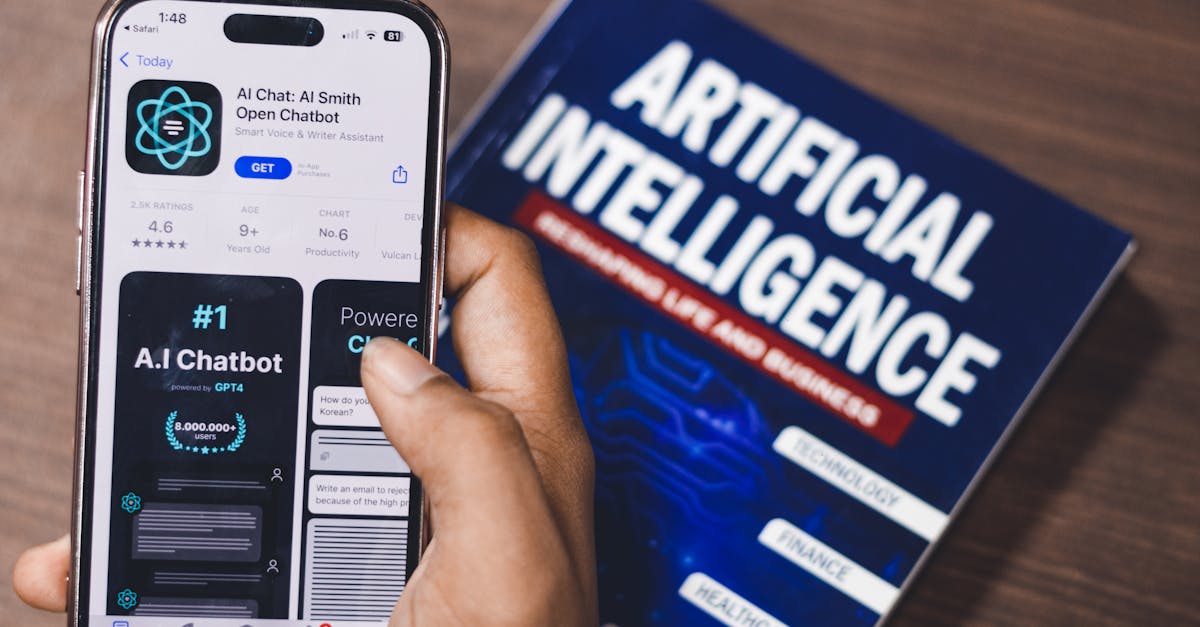
As RealE previously reported, direct-to-consumer (DTC) brands are increasingly adopting data-driven strategies to boost competition. This follow-up explores how AI tools and insights are transforming these strategies.
Key Takeaways
- AI-driven marketing tools enhance campaign optimization.
- DTC brands utilizing advanced analytics experience up to 25% growth in customer engagement.
- Next.js server-side rendering improves performance in personalized content delivery.
- Multi-touch attribution models are essential for accurately measuring marketing effectiveness.
- Adopting AI-driven personalization significantly boosts content marketing ROI.
As RealE previously reported, direct-to-consumer (DTC) brands are leveraging data-driven strategies to gain a competitive edge in the marketplace. With a rapidly evolving landscape dominated by technology and consumer preferences, these brands must continuously adapt their marketing strategies to maintain and grow their market share. In this follow-up article, we will explore how artificial intelligence (AI) is revolutionizing these strategies, and provide insights and practical tools that DTC brands can utilize to navigate this competitive environment effectively.
The Role of AI in Data Analytics
In the realm of DTC marketing, data analytics has undergone a significant transformation due to advancements in AI. Brands are moving beyond traditional analytics to incorporate AI-driven insights that enable real-time decision-making. According to a report by Accenture, organizations that actively harness AI for analytics see their market performance improve by an average of 20%. This performance uplift can be attributed to enhanced customer targeting, efficient resource allocation, and improved overall strategy implementation.
For instance, AI tools can analyze massive datasets to identify customer trends and behaviors faster than human analysts. This allows brands to pivot their strategies quickly, responding to shifts in consumer preferences. The integration of AI tools, such as predictive analytics and behavior analysis software, into the marketing lifecycle results in more effective ad spends and ultimately higher conversion rates.
AI-Driven Personalization Techniques
One of the most crucial applications of AI in marketing is personalization. By employing AI-driven algorithms, DTC brands can create highly individualized experiences for their customers. A survey conducted by Adobe in 2025 revealed that brands implementing personalized marketing approaches saw a 30% increase in customer satisfaction and loyalty. AI enables brands to examine user interactions and tailor promotional content to specific consumer segments, refining the messages they deliver.
For example, algorithms can analyze data points such as past purchases, browsing behavior, and social media engagement to suggest products that are more likely to resonate with individual consumers. This level of personalization not only increases the likelihood of conversion but can also enhance customer lifetime values. Marketers should invest in AI-driven marketing tools that facilitate this level of personalization to unlock significant ROI on their campaigns.
Multi-Touch Attribution Models for Accurate Measurement
In the complex world of DTC marketing, attributing revenue to the correct marketing touchpoint is essential for measuring success. Traditional attribution models often fail to capture the entire customer journey, leading brands to misallocate their advertising budgets. Multi-touch attribution models have emerged as a solution, allowing for a more nuanced understanding of how various marketing channels contribute to conversions.
A 2026 industry report by HubSpot indicates that brands employing multi-touch attribution see, on average, a 15% increase in their marketing ROI. This model provides insights into which channels are most effective at different stages of the purchasing journey, informing future marketing strategies. Brands should prioritize the integration of these advanced attribution models into their analytics frameworks to achieve a more complete picture of campaign performance.
Next.js and Performance Optimization Strategies
To enhance user experience, DTC brands are increasingly adopting Next.js, a modern React framework that enables server-side rendering (SSR). This method significantly improves the performance of web applications by delivering content to users more quickly. According to a recent case study from Vercel, brands utilizing Next.js reported a 50% faster page load time, which directly correlates with increased user engagement and reduced bounce rates.
For DTC brands looking to optimize their online presence, transitioning to Next.js can be a game-changer. The framework supports AI-driven content delivery by allowing personalized recommendations and dynamic content to be served based on user behavior. By ensuring fast load times and personalized experiences, brands can improve customer satisfaction and drive sales conversions.
New Tools for Enhanced Marketing Strategies
The emergence of AI-driven marketing tools has opened new avenues for DTC brands to connect with consumers. Platforms such as ChatGPT and Jasper AI offer advanced capabilities for content generation, helping brands streamline their content marketing processes. These tools leverage natural language processing to create compelling marketing copy that is tailored to specific demographics, thereby enhancing engagement.
Moreover, using platforms that provide real-time analytics along with social media insights offers brands the agility they need to remain competitive. AI tools can identify trending topics and consumer sentiment on social media, allowing brands to react swiftly to market changes. This responsiveness is critical as consumer preferences shift rapidly, especially in a post-2020 landscape.
Conclusion: What’s Next for DTC Brands?
The DTC landscape is at a pivotal juncture as brands invest in advanced data-driven strategies and AI tools. As outlined throughout this article, understanding and implementing AI-driven insights, multi-touch attribution models, and performance optimization strategies are essential for brands looking to thrive. Moving forward, DTC brands must remain agile and adaptable to market changes, continually evolving their approaches to meet consumer demands.
With the right tools and strategies in place, DTC brands are not just surviving but are positioned to dominate market share in the increasingly competitive landscape. Future-focused organizations are those that embrace AI as a critical partner in their growth strategy. By prioritizing data-driven insights, these brands will not only enhance their marketing efficacy but also build deeper connections with their consumers, ultimately driving revenue growth.