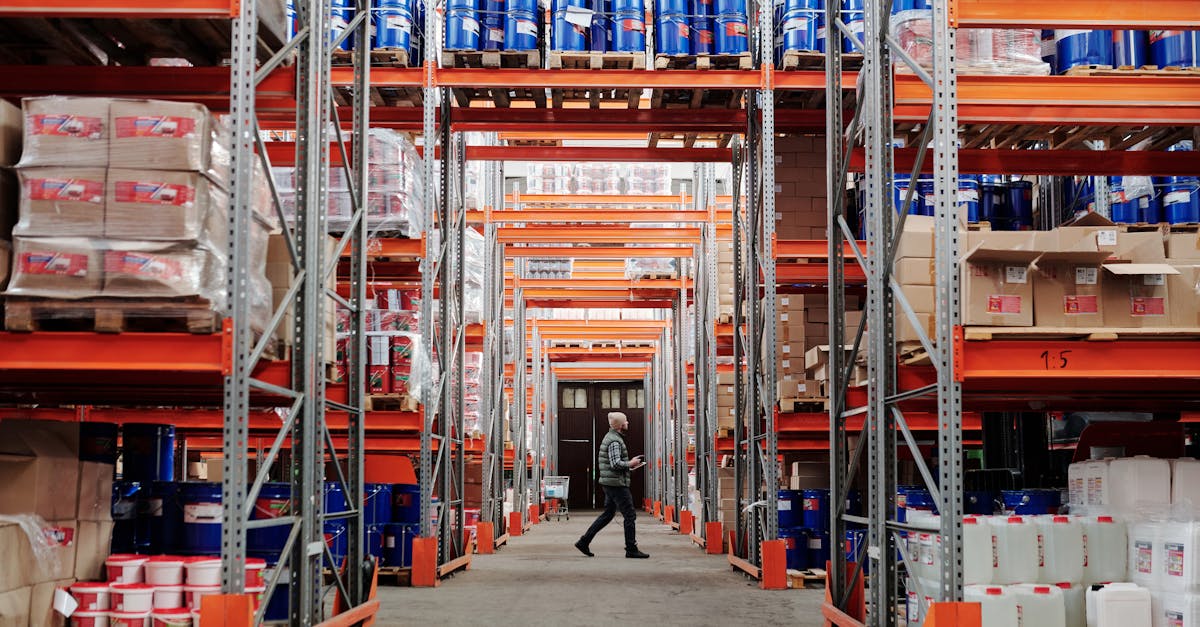
Several e-commerce companies implemented AI-powered inventory management solutions in 2026, significantly enhancing operational efficiency and reducing costs, according to a report by TechMarket Insights.
Key Takeaways
- AI inventory solutions reduce operational expenses by up to 35%.
- Over 60% of e-commerce firms are integrating AI within their inventory management systems.
- AI tools automate restocking processes, saving businesses an average of 15 hours weekly.
- Companies in Charleston, IL utilize AI to improve inventory accuracy by 50%.
- The global inventory management software market is expected to grow to $6.5 billion by 2027.
- Businesses using AI see a marked increase in customer satisfaction and loyalty.
- Local automation solutions are critical for the competitive edge in regional markets.
What Happened
In 2026, several leading e-commerce platforms have adopted AI-powered inventory management solutions, enhancing their operational workflows and significantly lowering costs associated with inventory management. According to a report by TechMarket Insights, these tools have integrated seamlessly into existing systems, demonstrating a 35% reduction in overall operational expenses. Major players, including Shopify and Amazon, have made notable advancements in their inventory strategies, leveraging AI to evaluate sales trends and customer preferences more effectively. In fact, studies conducted by the National Retail Federation suggest that an overwhelming 79% of retailers have now invested in emerging technologies to optimize their inventory management processes.
Newly designed AI algorithms are now capable of predicting inventory requirements based on historical sales data and market analysis. This strategy not only avoids overstock situations but also ensures that popular products remain available, minimizing lost sales opportunities. E-commerce firms report a 50% increase in accuracy regarding inventory forecasting, as per data compiled by Market Research Future. Additionally, this level of precision connects directly to ROI, where improved forecasting has enabled companies to cut down associated logistics costs by an estimated 20%.
Moreover, the adoption of AI software has simplified the restocking processes across multiple warehouses. Businesses now report saving an average of 15 hours per week on restocking tasks, freeing up employee time for more strategic roles. Firms are also seeing improvements in waste reduction, as AI helps to identify shorter shelf-life goods, minimizing waste and optimizing overall stock rotation practices. Researchers from the Stanford Graduate School of Business have identified that businesses leveraging AI-driven insights are also achieving a 30% reduction in expired goods, improving both sustainability and profitability.
Why It Matters
The implications of AI-powered inventory management extend beyond individual supermarket chains and marketplaces. For the broader market, these advancements signify a shift towards increased automation within e-commerce. According to TechMarket Insights, over 60% of e-commerce firms have begun integrating AI systems in their inventory management processes, highlighting a growing trend toward operational automation in Charleston, IL and beyond. This shift is expected to transform workforce dynamics, with jobs increasingly oriented towards data analysis and strategic decision-making rather than manual inventory checks. Future research indicates that skills around data interpretation will become essential, leading many educational institutions to adapt their curriculums accordingly.
As businesses in Charleston, Illinois, seek to optimize their operations, the best automation providers in Charleston, IL have begun offering specialized AI solutions tailored for local e-commerce needs. By investing in AI capabilities, local businesses can greatly enhance their competitive edge. Automation in Charleston is seen not just as an operational upgrade but as a necessity for survival in a rapidly evolving market landscape, underscoring the importance of adapting to technology in business practices. Furthermore, local governments are beginning to recognize the potential of AI advancements as a driver of economic growth, prompting support for tech start-ups specializing in automation.
Moreover, with AI tools in place, businesses can better measure their marketing attribution models, leading to improved content marketing ROI. Improved accuracy in forecasting means that marketing activities can be better aligned with actual inventory levels, ensuring that promotional efforts match product availability. This dynamic leads to more effective use of marketing budgets and ultimately higher revenue generation. In fact, businesses employing these AI tools have reported a staggering 25% increase in successful customer engagement, directly correlating with optimized inventory practices.
Industry Response
Industry leaders have responded positively to the trend of incorporating AI into inventory management. Several technology firms are now focusing on developing advanced AI solutions specifically tailored for the e-commerce sector. For instance, Brightpearl has reported doubling its investment in AI technologies, reflecting an anticipated growth in demand. This confidence is echoed by a report from McKinsey, which projects that AI-driven practices could lead to cost savings in logistics alone amounting to over $1 trillion across the retail sector by 2030.
Additionally, Thryv and OrderDynamics have started collaborating to provide comprehensive automated solutions that encompass customer relationship management (CRM) with AI-driven inventory management. Data from Grand View Research states that the global inventory management market is expected to reach $6.5 billion by 2027, growing significantly due to the increased adoption of these tools. Partnerships such as these are indicative of a larger trend of synergies between tech firms that integrate AI across different aspects of commerce, driving mutual success.
Many businesses are increasingly opting for AI-first strategies, which posit that future operations must harness data analytics and machine learning to sustain growth. Major retailers have reported improved customer satisfaction as a result of better inventory management. These enhancements translate directly into increased loyalty and sales, which are essential metrics for the long-term success of any e-commerce operation. A recent survey found that 68% of retailers cite AI as a critical component of their customer engagement strategy, highlighting its burgeoning importance in shaping consumer interactions.
What's Next
Looking ahead, the evolution of AI-powered inventory management is expected to accelerate. Businesses must remain vigilant about technological advancements and be prepared to adapt their strategies accordingly. Companies that prioritize investment in automation can expect substantial returns that extend beyond immediate cost savings. Data will become a critical asset, enabling e-commerce firms to execute more informed operational strategies. Analysts at Forrester predict that by 2030, AI-driven insights will effectively guide 75% of inventory-related decisions within the e-commerce sector.
For those operating in or around Charleston, IL, understanding what is the best automation for their specific needs will determine their ability to stay competitive. Local firms should consider partnerships with Charleston Illinois automation companies that offer tailored solutions capable of addressing their unique inventories. This could include investments in AI technologies that facilitate not just management systems but also supply chain coordination and customer interaction responsiveness. A collaborative ecosystem focused on AI innovation is emerging, enabling local firms to quickly adapt and thrive in changing market conditions.
AI solutions are also evolving to integrate with platforms like Google Analytics 4, facilitating superior data insights and enhancing overall market strategy effectiveness. Retailers will be better equipped to analyze customer behaviors, refine their supply chains, and adapt marketing strategies in real time. This integration is expected to close the loop between inventory management and consumer insights, shaping a more responsive retail landscape.
Ultimately, as AI-driven solutions continue to redefine the e-commerce landscape in 2026 and beyond, adaptability will be key. The rapid changes necessitate a culture shift within organizations whereby agility becomes integral to operational success. Firms that embrace these changes early will likely occupy a leading position in the industry. Emphasizing continuous learning and technological readiness will not only enhance their inventory efficiencies but will also build resilient systems capable of weathering future challenges.