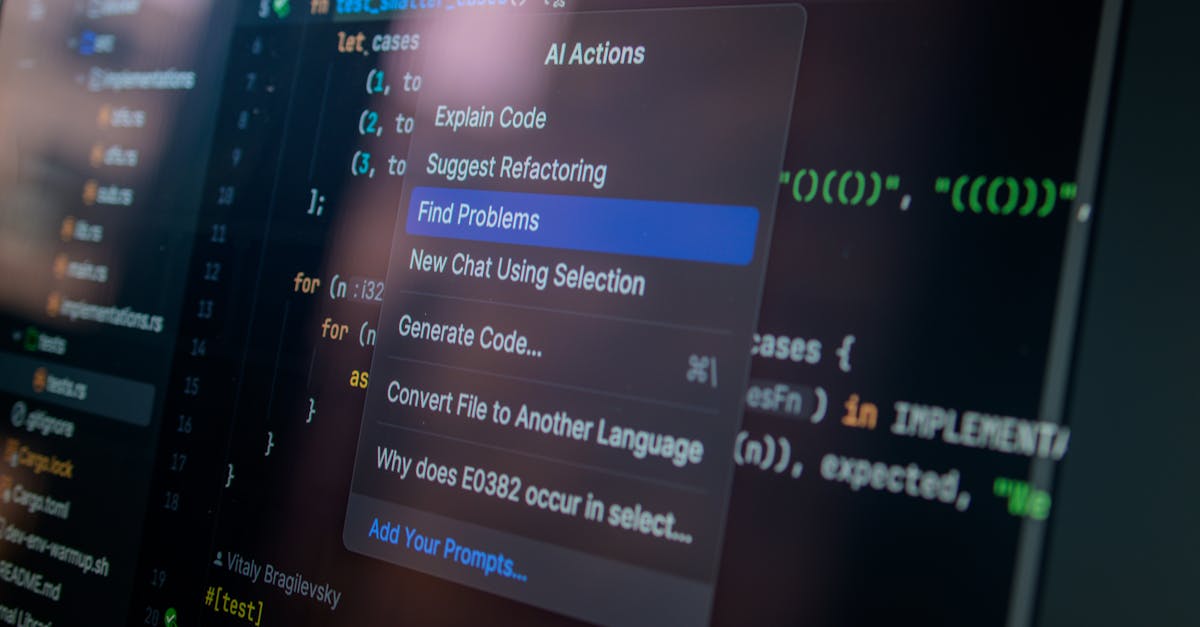
As RealE previously reported, the integration of artificial intelligence into development frameworks is revolutionizing how teams collaborate and build software. This trend is more than just the introduction of AI coding assistants; it encompasses a broad range of functionalities that effectively reshape development processes, enhancing productivity and creativity in development teams. With the rapid advancements in AI capabilities, coupled with a multitude of tools and platforms coming into play, businesses are experiencing a paradigm shift in their software development lifecycle.
Key Takeaways
- AI-driven tools improve collaboration among development teams.
- Integration of AI assists in optimizing workflows and productivity.
- New AI tools emerge, targeting specific needs within development frameworks.
- Real-world case studies highlight tangible benefits for businesses utilizing AI frameworks.
The Integration of AI Tools in Development Frameworks
From administrative tasks to complex code generation, AI tools are now infiltrating every corner of the software development process. According to a report by Gartner in December 2025, about 43% of company executives indicate that they have adopted at least one AI-driven tool in their team’s workflow, demonstrating a significant shift toward AI-centric methodologies in development strategies. This growing acceptance of AI tools allows developers to focus on higher-level tasks while relying on automation for repetitive and mundane activities.
For instance, companies like GitHub have advanced their AI features within their platforms, allowing for seamless code suggestions and error detection in real time. This integration doesn't just simplify the process; it accelerates development timelines, allowing teams to push updates and new features at a speed that would be unmanageable through traditional coding practices alone. Furthermore, businesses are increasingly leveraging AI-driven development platforms to enhance collaboration amongst their teams.
Fostering Collaboration with AI Tools
Just as crucial as coding assistants, tools that harness AI to facilitate teamwork are gaining traction as companies recognize the need for collaborative environments that adapt to remote and hybrid work setups. According to the Upwork Freelance Forward 2025 Report, nearly 60% of respondents prefer remote work settings, thus creating an essential need for tools that promote effective collaboration regardless of physical location. Solutions such as AI-powered project management tools and collaborative coding platforms serve as linchpins in maintaining productivity in a dispersed workforce.
Tools like Microsoft Teams and Slack have integrated AI solutions that assist in scheduling meetings, managing projects, and even tracking productivity levels in real-time. This design is particularly important for tech teams that often juggle multiple projects and require consistent communication to ensure everyone is aligned with the project goals. With AI managing these operational tasks, teams can redirect their focus toward creative problem-solving and innovation.
Case Studies & Success Stories
Boeing, for instance, credits its shift to AI-driven development frameworks for a 30% increase in productivity since implementing these tools. The company’s use of AI in over 80% of its engineering processes has led to significant improvements in both turnaround times and project quality. As a result, this not only benefits internal stakeholders but also enhances the experience for external clients who depend on Boeing’s services.
Similarly, SquareSpace adopts AI methods to streamline its user experience design processes. By using AI tools to analyze user interactions and feedback, they have tailored their product offerings, resulting in a 25% increase in user retention rates over the past year. These examples illustrate how companies can leverage AI-driven frameworks to achieve swift benefits while fostering a culture of innovation.
New Paradigms in Development Workflows
In response to the need for flexible and efficient development processes, many organizations are re-evaluating their workflows. The adoption of AI has led to the emergence of performance optimization strategies that utilize machine learning to analyze ongoing projects. AI can provide insights into code efficiency, potential bottlenecks, and even suggest improvements based on historical data from previous projects.
Companies like Atlassian have pioneered tools that automatically suggest workflow enhancements based on team performance metrics. These tools leverage vast repositories of data to not only enhance team productivity but also to reduce burnout—an ever-increasing concern in the industry. Furthermore, these features help new team members onboard more quickly by presenting them with relevant information and best practices based on their roles.
The Future: AI-Driven Innovation in Development
Looking ahead, the future of AI in development frameworks appears more promising than ever. The continual enhancements in AI capabilities, alongside rapid developments in machine learning technologies, are expected to lead to more sophisticated solutions that will supersede current tools. The global AI market is projected to grow from $350 billion in 2025 to over $1.5 trillion by 2030, according to the International Data Corporation. This growth signifies the increasing importance of AI tools in redefining development practices.
Moreover, as organizations shift from traditional frameworks to AI-driven models, concerns surrounding the ethical implications of such technologies become increasingly relevant. For developers and businesses, understanding how AI can be implemented responsibly is paramount. Establishing ethical guidelines and best practices will help ensure that these advanced tools promote innovation while mitigating potential risks associated with AI utilization.
Conclusion: Embracing Changes in Development Frameworks
In conclusion, the integration of AI into development frameworks heralds a new age of efficiency, collaboration, and innovation. As evidenced by pioneering organizations that have embraced AI tools, it is clear that adaptation to these changes is no longer optional—it has become essential for survival and success in the competitive landscape. As companies continue to explore the myriad ways AI can transform workflows, the next wave of technology in software development is set to bring unprecedented growth and opportunities.
FAQs
- What are AI-driven development frameworks? AI-driven development frameworks are systems that integrate artificial intelligence tools to optimize software development processes, promoting efficiency and collaboration among development teams.
- How can AI improve collaboration in software development? AI-tools facilitate communication and improve project management, allowing remote teams to work together seamlessly and focus on high-level tasks instead of routine administrative tasks.
- What are some examples of companies using AI in their development processes? Companies like Boeing and SquareSpace have successfully integrated AI into their workflows, leading to increased productivity and user retention rates respectively.
- What ethical considerations should companies address when using AI tools? Companies should establish ethical guidelines governing the use of AI to ensure responsible deployment, data privacy, and accountability in decision-making processes.
- What future developments should we expect in AI-assisted development? Emerging advancements in AI are likely to lead to more sophisticated tools, increased automation, and better performance optimization strategies in the software development sector.
- How quickly can teams integrate AI tools into their existing workflows? Integration timelines can vary; however, with proper planning and training, teams can effectively implement AI tools within a few weeks to a couple of months, depending on the complexity of their existing systems.