Key Takeaways
- AI coding assistants' adoption has grown by over 50% in the last 12 months, significantly enhancing productivity.
- According to GitHub's 2026 Developer Survey, 72% of developers now use AI tools to assist with coding tasks.
- Leading companies like Microsoft and GitHub continue to invest heavily in AI technologies, with projections showing an annual revenue increase of 35% in AI tools market.
- The integration of AI in coding processes is projected to reduce development times by at least 40%, allowing teams to launch products faster.
What Happened
The world of software development is witnessing a seismic shift with the rise of AI coding assistants. These tools, such as GitHub Copilot and OpenAI's Codex, are rapidly becoming integral to developers' workflows. A 2026 report by Gartner highlighted that adoption rates of AI coding assistants have soared by over 50%, marking a significant transformation in how code is written, tested, and deployed. Developers are now leveraging these tools not just to automate mundane tasks, but to assist in complex coding scenarios, impacting both the speed and quality of software development. According to GitHub’s Developer Survey, 72% of developers are using AI coding assistants, showcasing a trend that is reshaping the future of coding.
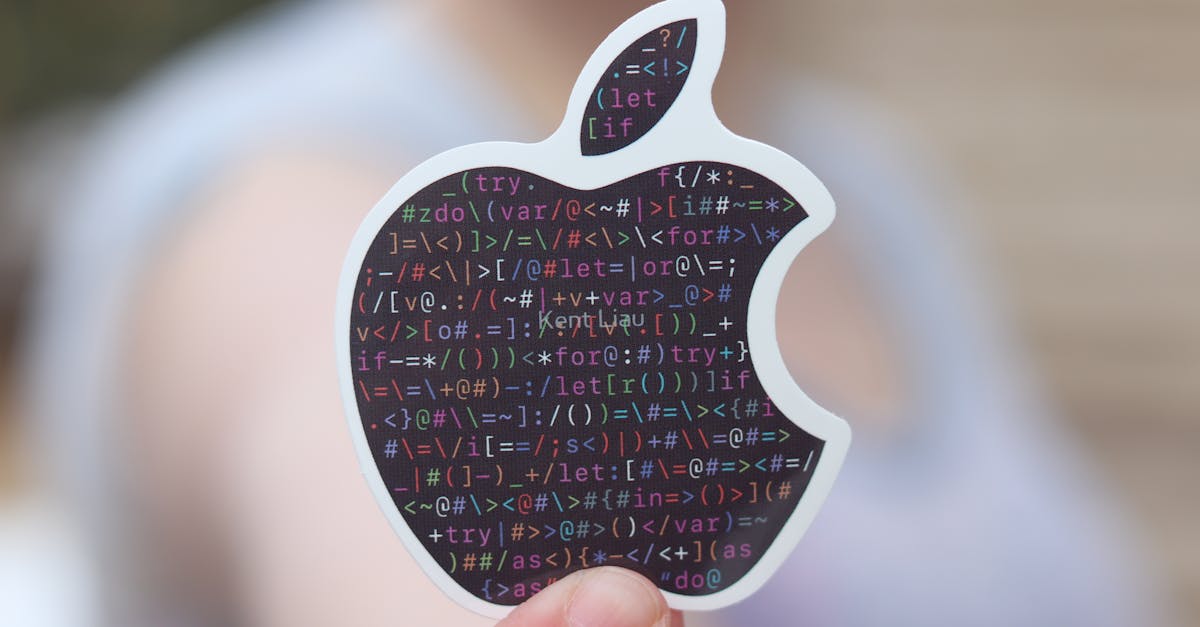
AI coding assistants are reshaping developer workflows, with adoption reaching unprecedented levels, significantly impacting the tech industry.
As developers increasingly embrace these advancements, major technology companies are taking notice. For instance, Microsoft has invested substantially in AI technology to enhance its Visual Studio Code platform, seeking to remain competitive in a rapidly evolving market. This strategic move not only includes integrating more AI functionalities but also focuses on ensuring that augmentation does not replace the human element in coding but rather enhances it. These developments indicate a significant shift towards a hybrid model where human expertise and AI capabilities coexist, working in tandem to elevate software quality and efficiency.
Why It Matters
The rise of AI coding assistants is not just a passing trend; it underscores a fundamental change in how software development is approached. Traditionally, coding was seen as a highly specialized skill requiring deep knowledge and extensive experience. However, AI tools are democratizing coding accessibility, allowing not only seasoned developers but also novices to contribute effectively to coding projects. This shift has significant implications. As these tools can provide guidance, suggest improvements, and even generate entire codeblocks, the barrier to entry in software development is lowering. According to estimates, the integration of AI coding assistants could reduce development times by as much as 40%, fundamentally changing project timelines and team dynamics.
This rapid adoption also brings to light critical considerations regarding code quality, security, and debugging. A study by McKinsey's Tech Insights in 2026 revealed that while AI tools can improve productivity, they can also introduce vulnerabilities if not properly monitored. Companies need to balance reliance on AI with robust code review processes to ensure that the quality of output remains high and security flaws are addressed proactively. This dual focus on efficiency and quality is where competitive advantages will be forged in the coming years, as organizations harness these technologies to enhance their development lifecycles.
Industry Response
In direct response to the booming interest in AI coding assistants, various companies are accelerating their development and integration strategies. Firms such as Atlassian and JetBrains are enhancing their existing software development tools to include AI capabilities, recognizing the importance of these technologies in maintaining relevance in the competitive software landscape. Furthermore, venture capitalists are pouring funds into startups developing AI solutions for coding, indicating confidence that this is not a fleeting trend but rather a paradigm shift in the industry. In a recent funding round, the AI coding startup CodeGen raised $50 million to expand its AI capabilities, further emphasizing the industry's investment in this technology.
Moreover, the competitive landscape is becoming increasingly stratified. Companies that adopt AI coding assistants effectively are likely to experience accelerated growth and improved product quality, while those that lag may find themselves at a disadvantage. For instance, Github's Copilot is reported to handle 60% of code generation tasks efficiently, allowing teams to focus on higher-level design and architecture. In contrast, competitors who do not leverage these tools may struggle to keep pace due to the increasing demands for speed and innovation in software delivery.
What's Next
As the adoption of AI coding assistants reaches new heights, businesses must prepare for the next phase of development. With AI technologies evolving rapidly, we can expect a continuous stream of innovations that further integrate machine learning into coding environments. For example, the recent release of CoPilot X by GitHub introduces conversational AI features, allowing developers to interact with the assistant in a more intuitive manner, thereby enhancing collaboration and creative ideation during the coding process. This feature signifies a shift toward developing AI applications that not only assist but also understand the context and intention behind user inputs.
Going forward, companies will also need to consider ethical implications and regulatory requirements associated with AI utilization in coding. As AI assistants become more autonomous, there is an increased responsibility to ensure transparency and accountability in how these tools generate and refine code. Ensuring compliance with emerging regulations on AI development will be crucial for maintaining consumer trust and protecting intellectual property. With predictions indicating a continuous annual growth rate of around 35% in AI coding tools, industry leaders must strategize for these advances while balancing the ethical considerations of AI capabilities.
In summary, AI coding assistants are transforming the developer landscape, marking a pivotal moment in software development evolution. By enhancing efficiency, democratizing the coding process, and changing the nature of collaboration, these tools are not merely augmenting existing workflows—they represent the future of how software will be created. As organizations adapt to this new paradigm, those that embrace AI innovation while upholding security and ethical standards will undoubtedly lead the charge in shaping tomorrow's technology landscape.